

Ship React optimistic UI that stays trustworthy under retries and conflicts, using useOptimistic, idempotency keys, and version checks for safe mutations.
Category: React
-
The Spinner Maze: A 2026 Frontend Performance Playbook Using Statecharts, Chunk Budgets, and Predictable UI Flow
A launch story that looked fine in QA but felt broken in real life A team shipped a new onboarding flow for a consumer app. In staging, everyone loved it. Animations were smooth, forms were modern, and Lighthouse scores looked…
-
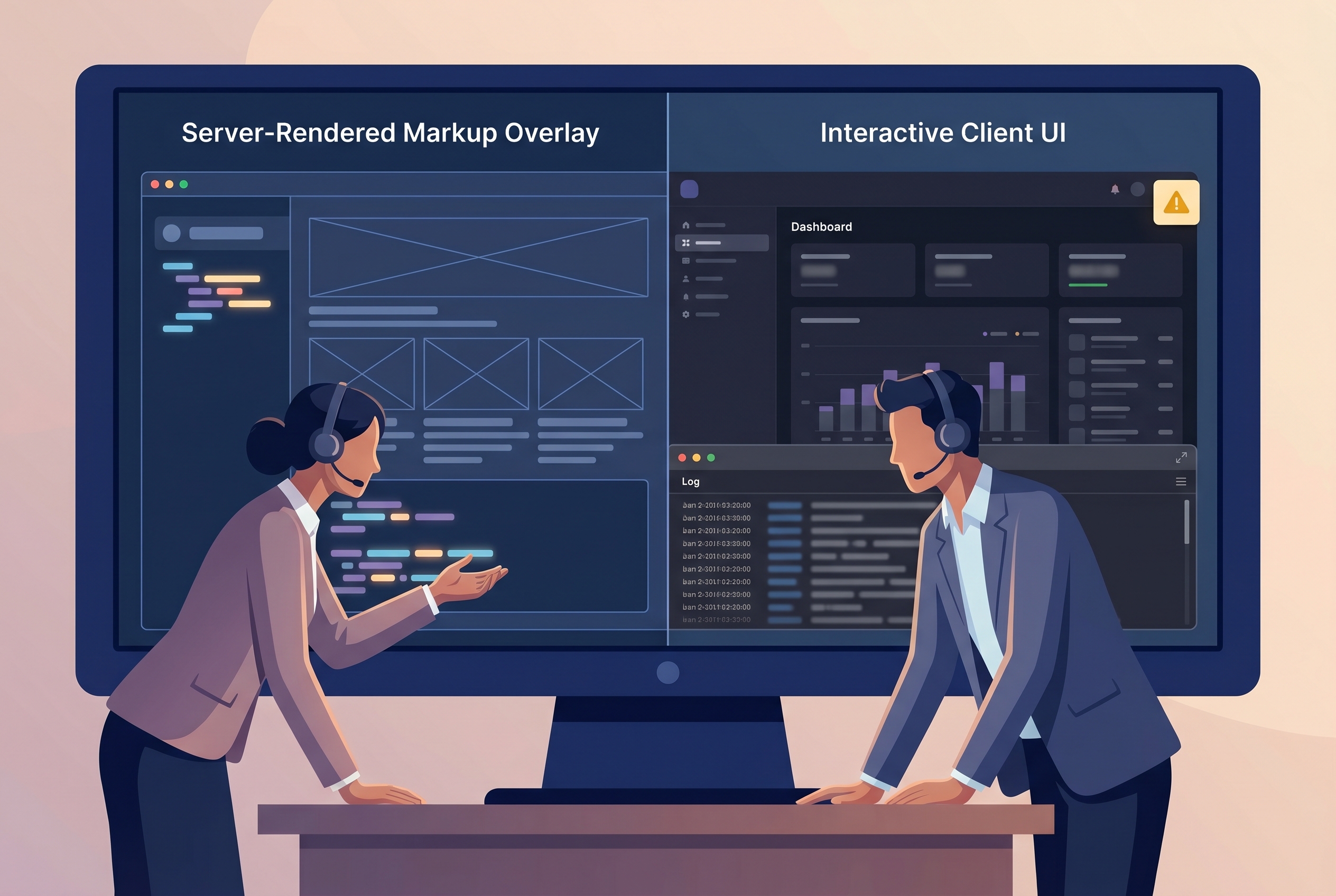
The Hydration Mismatch You Only See in Production: A React 19 + Next.js 15 Debugging Playbook
React hydration mismatch debugging for Next.js apps: diagnose production-only errors, fix server/client drift, and choose safe SSR tradeoffs with confidence.
-
The Spinner That Hid a Data Race: A React 19 Playbook for Streaming, Transitions, and Honest Loading States
React transition data fetching done right: prevent stale responses, stream with Next.js, and improve INP with honest loading states users can trust every day.
-
The Fast UI, Slow Team Problem: Frontend Performance Engineering with AI Assistants in 2026
A quick story from a launch that looked fine on paper A product team shipped a redesigned pricing page on a Thursday night. Lighthouse score was decent in staging, synthetic checks were green, and the feature flags rolled out smoothly….
-
Fast by Default in 2026: A Frontend Performance Playbook for React Teams Shipping Weekly
A small launch-day story that still hurts Last quarter, a team I worked with shipped a shiny new onboarding flow on Friday evening. It looked perfect on office Wi-Fi and the latest MacBooks. By Monday morning, support tickets piled up:…
-
React performance tuning in 2026: Practical Implementation Guide
React performance tuning in 2026: Practical Implementation Guide React performance tuning in 2026 is about reducing rendering work, shrinking critical JavaScript, and measuring user-perceived latency in production. The goal is not micro-optimizing everything. The goal is delivering fast interactions consistently…
-
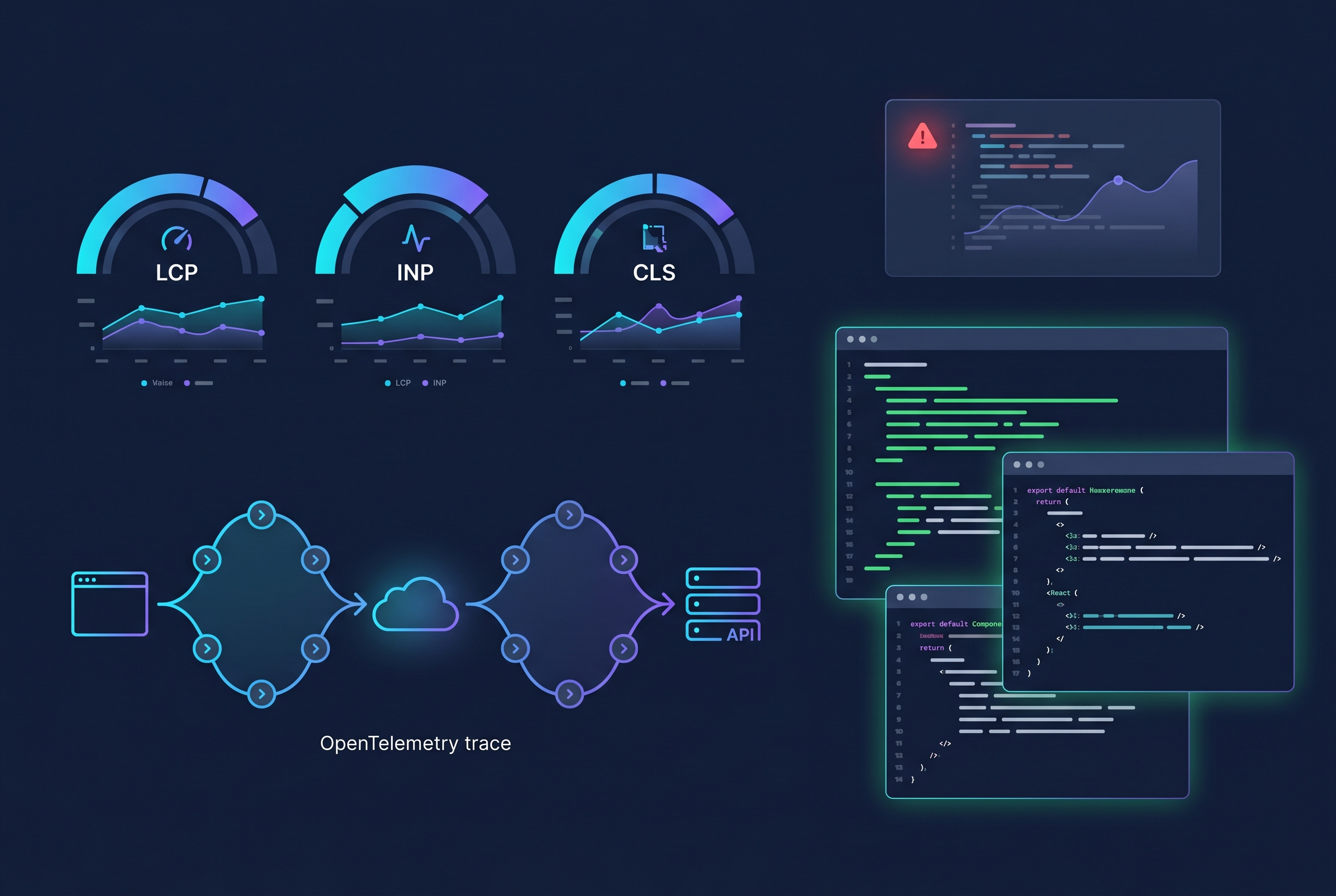
React in 2026: Build a Frontend Observability Layer with Web Vitals, OpenTelemetry, and Source-Mapped Error Monitoring
If your React app feels "fast enough" but users still report random slowness, white screens, or hard-to-reproduce crashes, you do not have a rendering problem, you have an observability gap. In 2026, frontend reliability is an SEO and revenue issue,…
-

React in 2026: Build a Typed Feature Flag System with Edge Config and Progressive Delivery
Feature flags are no longer just boolean switches hidden in a config file. In 2026, they are a core delivery system for React teams that want to ship safely, run controlled experiments, and decouple deploys from releases. In this guide,…
-

React in 2026: Build an Offline-First PWA with Background Sync, IndexedDB, and Fast Recovery
Building web apps in 2026 means planning for unreliable networks, flaky mobile connections, and users who expect everything to keep working instantly. In this guide, you will build an offline-first React app pattern that keeps writes safe when offline, syncs…
-

React in 2026: Build a Streaming AI Chat UI with React Server Components, Suspense, and Edge Functions
Building chat experiences in 2026 is less about rendering bubbles and more about streaming, resilience, and cost control. If your React app still waits for full responses before rendering, users feel lag immediately. In this guide, you will build a…
-
React 19 in 2026: Build an Offline-First Task App with Service Workers, Background Sync, and Optimistic UI
Most React apps still fail the real-world test: unstable networks. In 2026, users expect web apps to work on trains, in low-signal offices, and during flaky hotspot handoffs. In this guide, you will build an offline-first React 19 task app…