
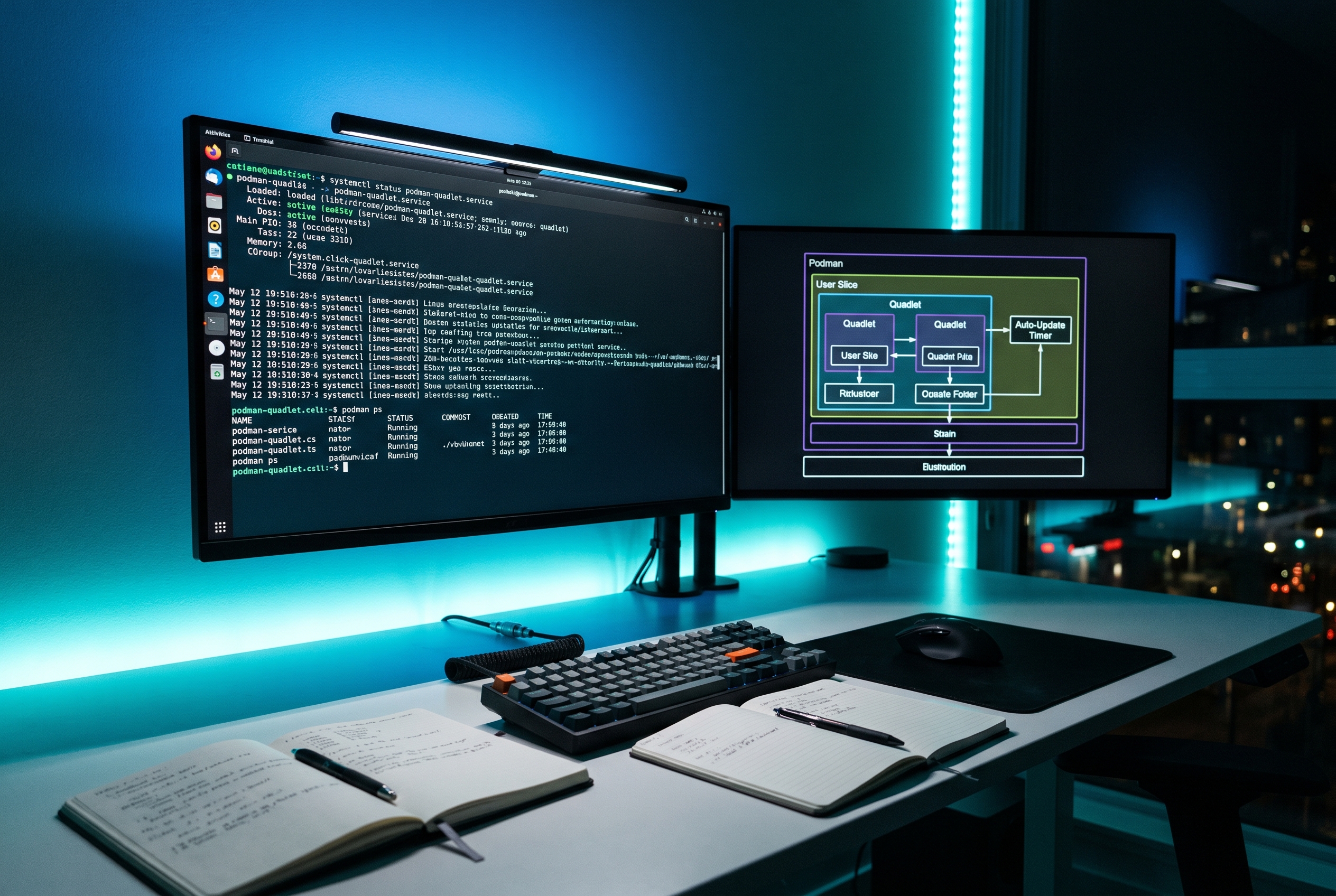
Podman Quadlet with rootless containers can simplify Linux operations. Learn a tested setup for systemd user services, safe auto-updates, and calmer rollbacks.
Category: Linux
-
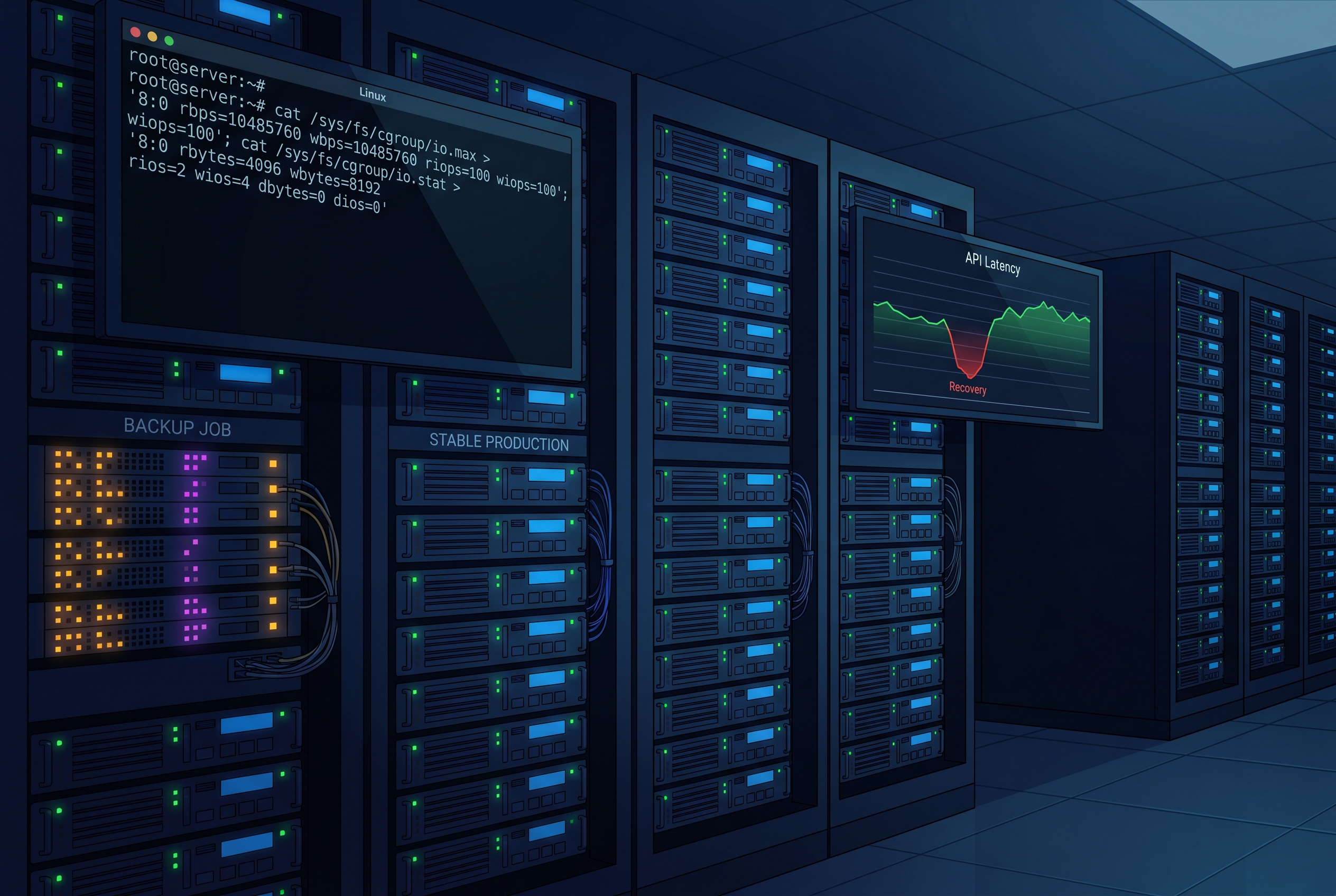
The Backup Job That Ate the API: Linux cgroup v2 I/O Guardrails with systemd Slices in 2026
Learn Linux cgroup v2 I/O throttling with systemd slices to isolate noisy backup jobs, protect API latency, tune io.max safely, and prevent disk contention.
-
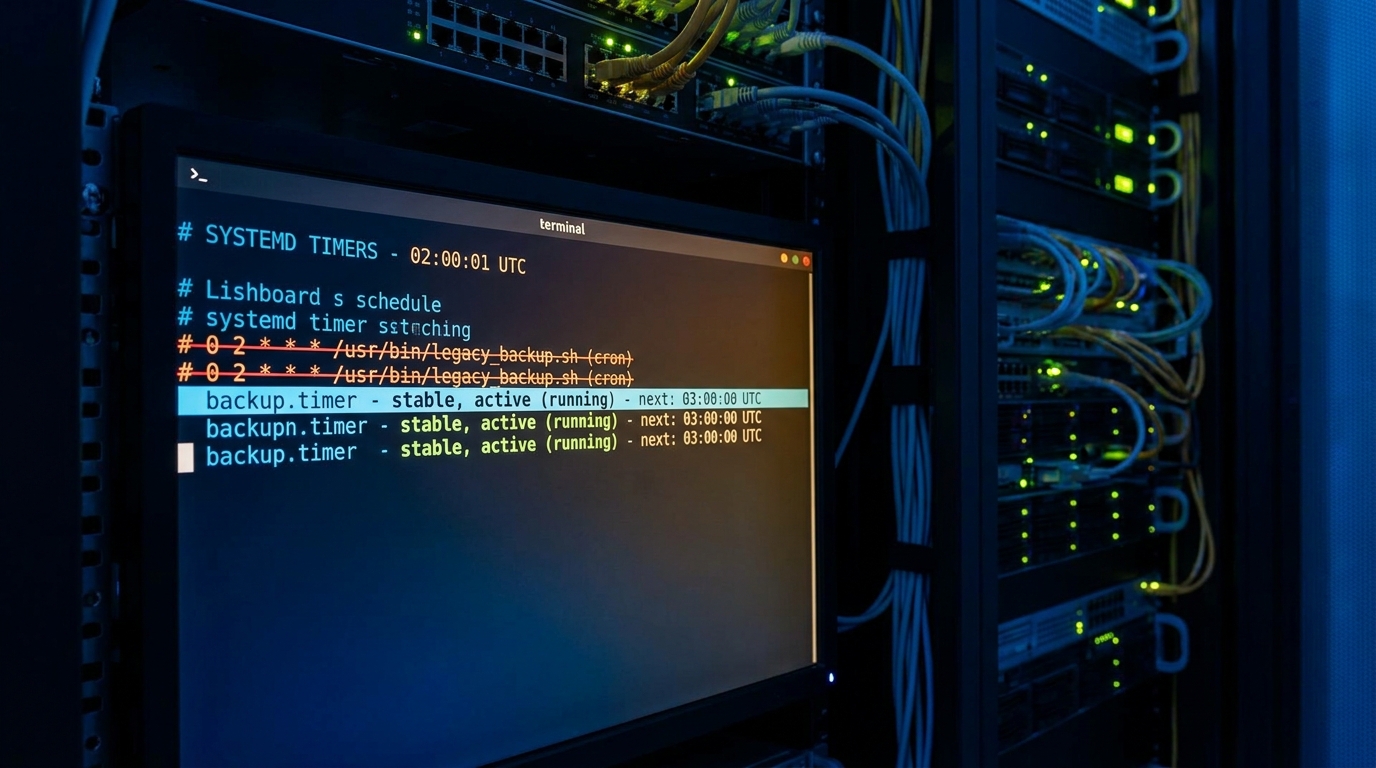
The Cron Job That Vanished on Sunday: A Linux 2026 Playbook for systemd Timers, Persistent Catch-Up, and Jittered Scheduling
Move from cron to reliable systemd timers on Linux with Persistent=true catch-up, RandomizedDelaySec jitter, verification commands, and troubleshooting.
-

The OOM Kill That Wasn’t Random: Linux Memory Pressure Monitoring with PSI, cgroup v2, and Kubernetes MemoryQoS
Linux memory pressure monitoring with PSI, cgroup v2 memory.high, and Kubernetes MemoryQoS to reduce surprise OOM kills without overprovisioning nodes.
-

The Service Account That Could Read Too Much: systemd Service Hardening for Linux Teams in 2026
systemd service hardening for Linux teams: lock down filesystem access, capabilities, and syscalls with practical unit-file patterns and troubleshooting.
-
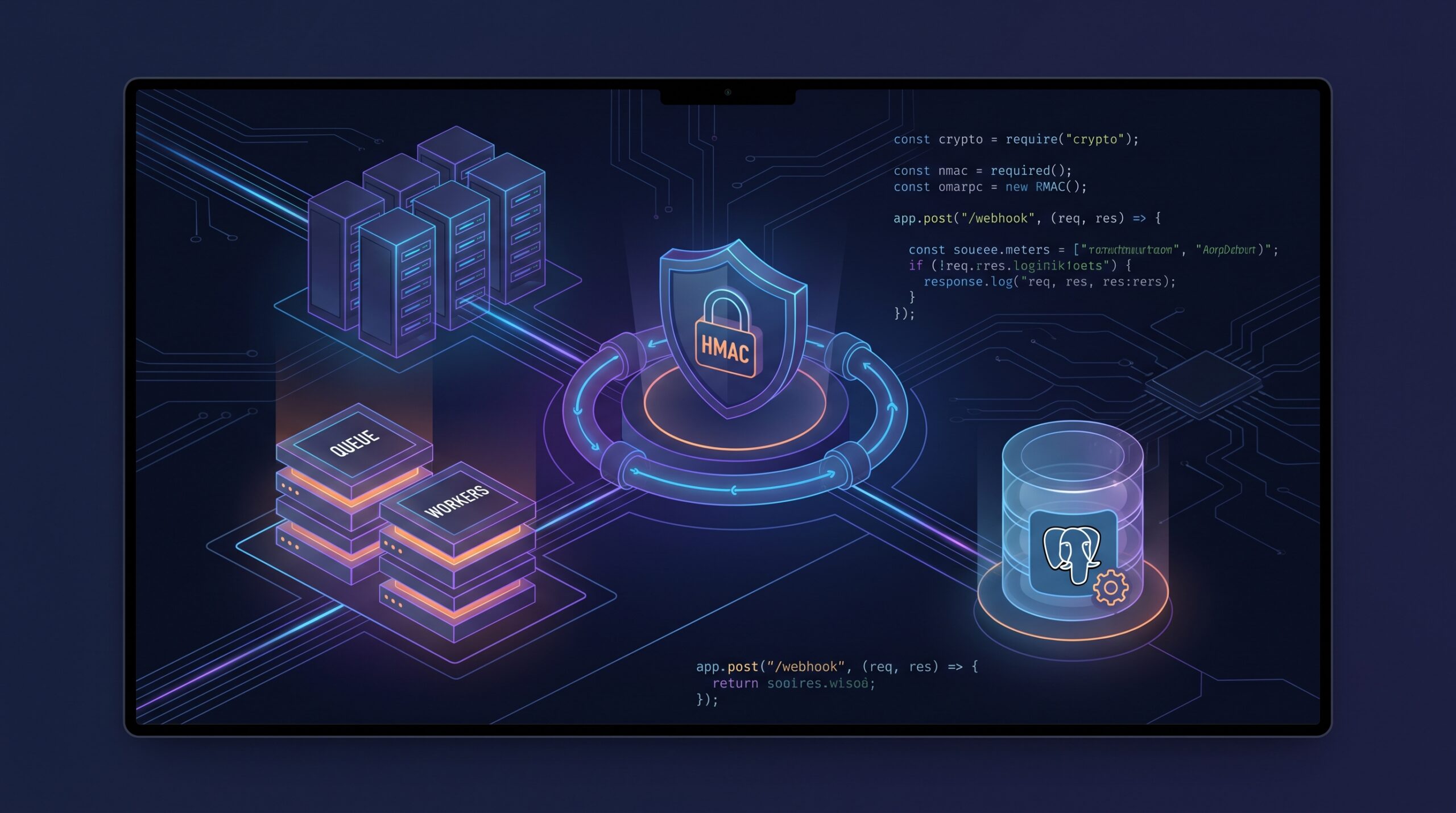
Linux server hardening in 2026: Practical Implementation Guide
Linux server hardening in 2026: Practical Implementation Guide Linux hardening in 2026 is a layered control system. The safest servers combine secure defaults, strict access control, regular patching, and high-signal monitoring. Why this matters in 2026 Credential attacks remain the…
-

Linux Security in 2026: Build a Hardened SSH Bastion with FIDO2 Keys, Fail2ban, and Systemd Sandboxing
If you still protect production SSH with only passwords or static keys, 2026 is the year to fix it. A hardened SSH bastion gives you one controlled entry point, strong identity with hardware-backed FIDO2 keys, and layered defense against brute-force…
-
Linux in 2026: Practical eBPF Monitoring for CPU, Storage, and Network Bottlenecks
Linux performance debugging in 2026 is less about guessing and more about collecting the right low-level evidence quickly. Teams run mixed workloads across containers, virtual machines, and edge devices, so a single dashboard graph is rarely enough to explain a…
-

Linux in 2026: Production-Grade Rootless Containers with Podman Quadlet and systemd
Running containers on Linux no longer means giving every workload a privileged Docker daemon. In 2026, a practical default for many teams is rootless Podman plus systemd Quadlet, which gives you a predictable deployment model, tighter host isolation, and cleaner…
-

Linux in 2026: Practical eBPF Observability with bpftrace, OpenTelemetry, and Zero-Restart Debugging
Modern Linux production systems move fast, and the old debugging playbook (restart with debug flags, attach heavy profilers, hope for the best) no longer scales. In 2026, the most practical way to understand live system behavior is eBPF: safe, kernel-verified…
-
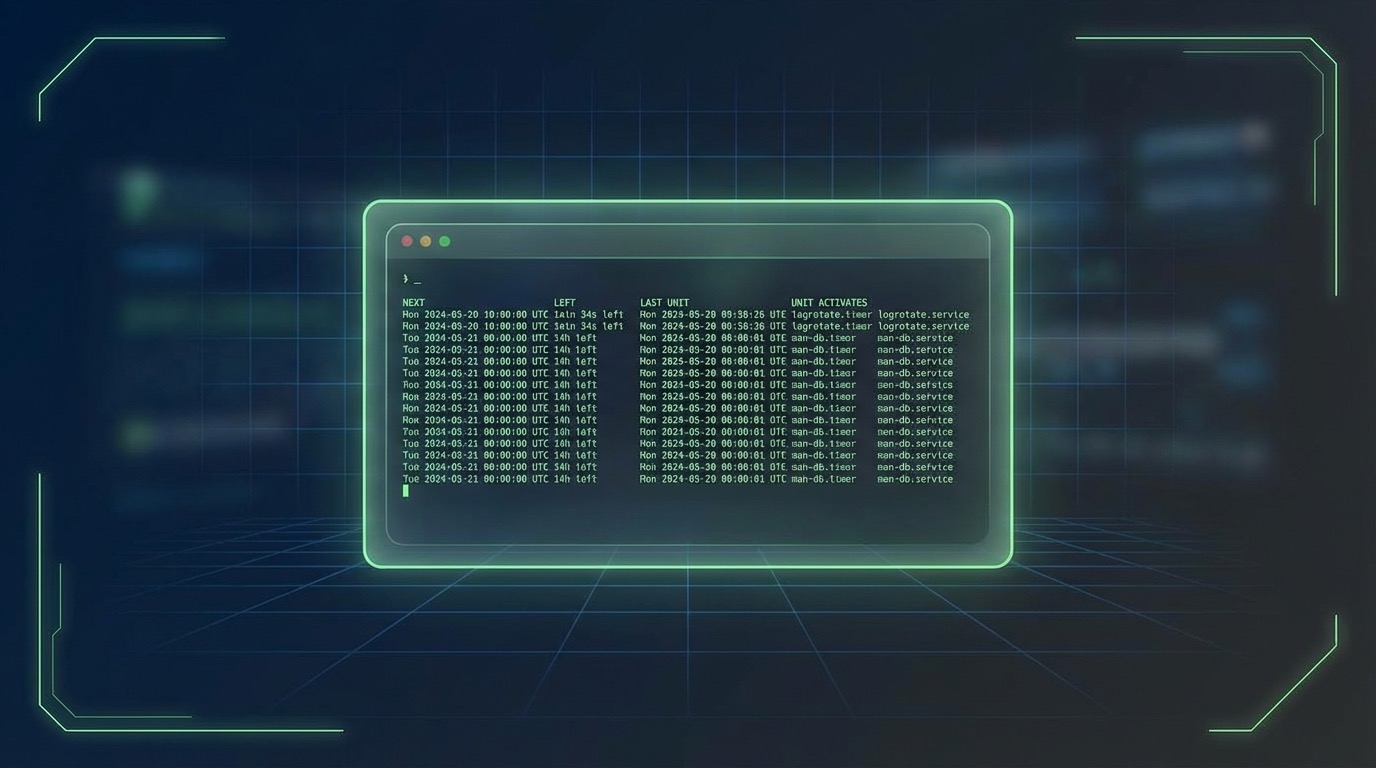
Systemd Timers in 2026: The Modern Alternative to Cron Jobs on Linux
If you're still relying exclusively on cron for scheduling tasks on Linux, it's time to explore systemd timers — a more powerful, flexible, and observable alternative that's been quietly becoming the standard across modern distributions. In this guide, we'll walk…
-

Mastering Linux Namespaces: Build Your Own Container from Scratch in 2026
Ever wondered what actually happens when you run docker run? Under the hood, Linux containers aren't magic — they're built on kernel features called namespaces and cgroups. In this hands-on guide, we'll demystify containers by building one from scratch using…