
Modern apps often use a browser SPA, a mobile app, and a backend API. The security weak spot is usually not login itself, but what happens after login: stolen access tokens, replayed refresh tokens, and long-lived sessions that are hard…
Author: Ankur Sharma
-

React in 2026: Build a Typed Feature Flag System with Edge Config and Progressive Delivery
Feature flags are no longer just boolean switches hidden in a config file. In 2026, they are a core delivery system for React teams that want to ship safely, run controlled experiments, and decouple deploys from releases. In this guide,…
-
WordPress in 2026: Build a Pre-Publish Content QA Pipeline with Custom WP-CLI Commands
If your WordPress workflow still depends on manual preview checks, you are probably shipping avoidable mistakes. Broken links, missing alt text, oversized images, weak meta descriptions, and inconsistent heading structures can quietly hurt SEO and user trust. The good news…
-
Data Science in 2026: Build a Real-Time Fraud Detection Feature Pipeline with Flink, Feast, and XGBoost
Fraud detection systems fail less often because of model quality and more often because of data quality, feature freshness, and serving inconsistency. A model can score 0.95 AUC in notebooks and still miss real attacks in production if online features…
-
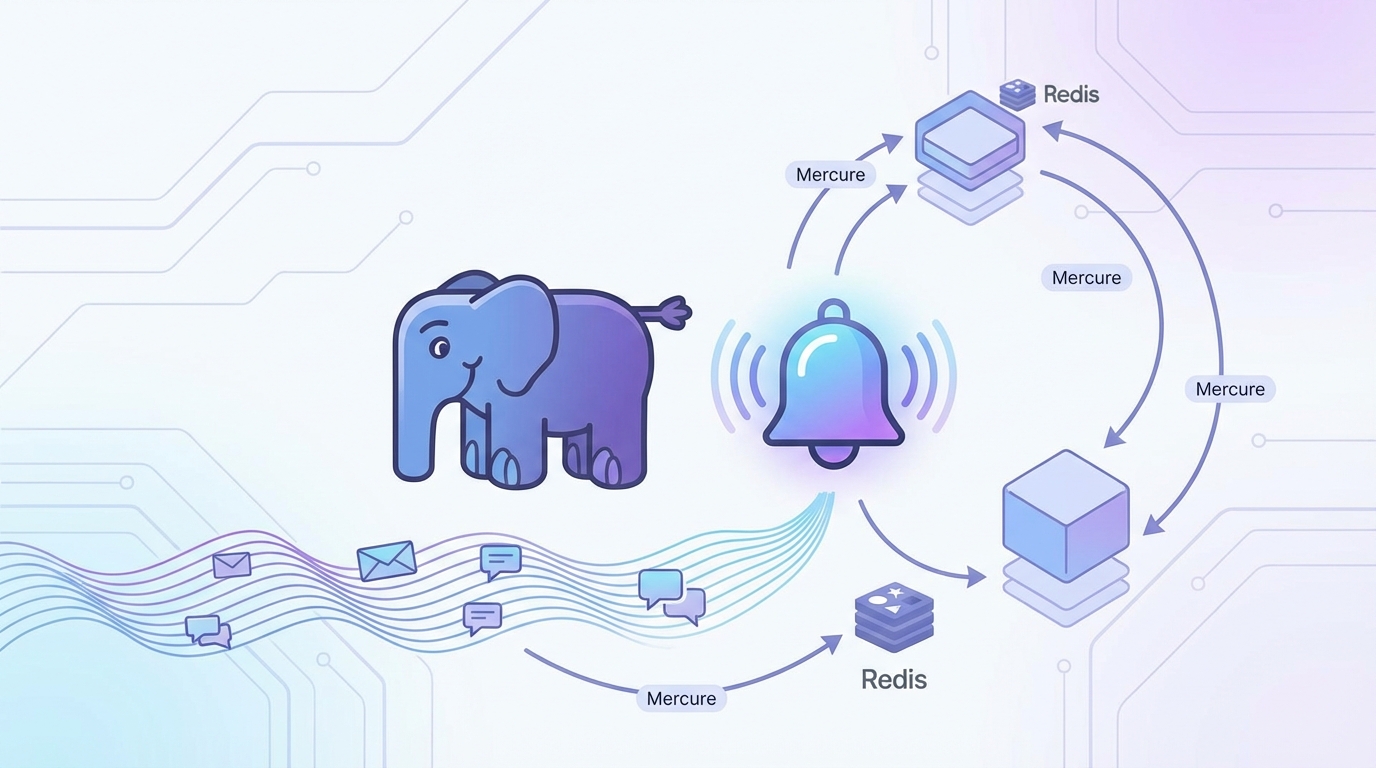
PHP in 2026: Build a Reliable Real-Time Notification Pipeline with Symfony Messenger, Mercure, and Redis Streams
Real-time features are expected in modern apps, but many teams still run into the same pain points: dropped events, overloaded workers, and hard-to-debug socket failures in production. If you are building notifications, collaborative updates, or live dashboards, you need a…
-

Node.js in 2026: Secure Your Backend with Node 22 Permissions, Native Env Files, and Built-In Test Coverage
Node.js backends in 2026 are expected to be fast, observable, and secure by default. The good news is that modern Node gives you many production-grade features without extra dependencies. In this guide, you will build a practical API service hardening…
-
Python in 2026: Build a Production-Ready Async API Client with Retries, Rate Limits, and Typed Responses
Shipping reliable integrations in 2026 is less about calling an endpoint and more about handling real-world failure modes cleanly. APIs throttle aggressively, network paths are noisy, and response contracts evolve faster than docs. In this guide, you will build a…
-
AI/ML in 2026: Build a Production RAG Evaluation Pipeline with LLM-as-Judge, Tracing, and CI Quality Gates
RAG demos are easy, but production reliability is hard. In 2026, teams are shipping AI features weekly, and the bottleneck is no longer model access, it is confidence: can you prove your retriever is finding the right context, your answers…
-
Linux in 2026: Practical eBPF Monitoring for CPU, Storage, and Network Bottlenecks
Linux performance debugging in 2026 is less about guessing and more about collecting the right low-level evidence quickly. Teams run mixed workloads across containers, virtual machines, and edge devices, so a single dashboard graph is rarely enough to explain a…
-
Cloud in 2026: Build an Automated AWS FinOps Guardrail Pipeline with Cost Anomaly Detection and Auto-Remediation
Cloud bills do not usually explode because of one massive mistake, they grow from dozens of tiny decisions that nobody revisits. In 2026, the practical way to stay in control is to treat cost like reliability: define budgets, detect anomalies…
-
DevOps in 2026: Zero-Downtime Kubernetes Releases with Argo Rollouts, Gateway API, and SLO-Driven Auto Rollbacks
Shipping fast is easy. Shipping safely, repeatedly, and without waking up on-call is still hard. In 2026, the most practical DevOps upgrade for teams on Kubernetes is progressive delivery that is tied to service-level objectives (SLOs), not gut feeling. In…
-
JavaScript in 2026: Build a Production-Ready Background Sync Queue with Service Workers, IndexedDB, and the Web Locks API
Modern web apps in 2026 are expected to work even when the network is unreliable. Users start actions on trains, in low-signal offices, and across flaky mobile hotspots. If your app drops writes or forces users to retry manually, trust…